Choosing the right hemorrhoid doctor in Dubai is essential for accurate diagnosis, safe treatment, and the best long-term outcome. Specialist colorectal experience directly affects both treatment decisions and recovery.
Understanding what a qualified specialist does is clearer once you have read our complete hemorrhoid treatment in Dubai. choose? What qualifications matter? How do you avoid someone who’s going to oversell you treatment you don’t need?
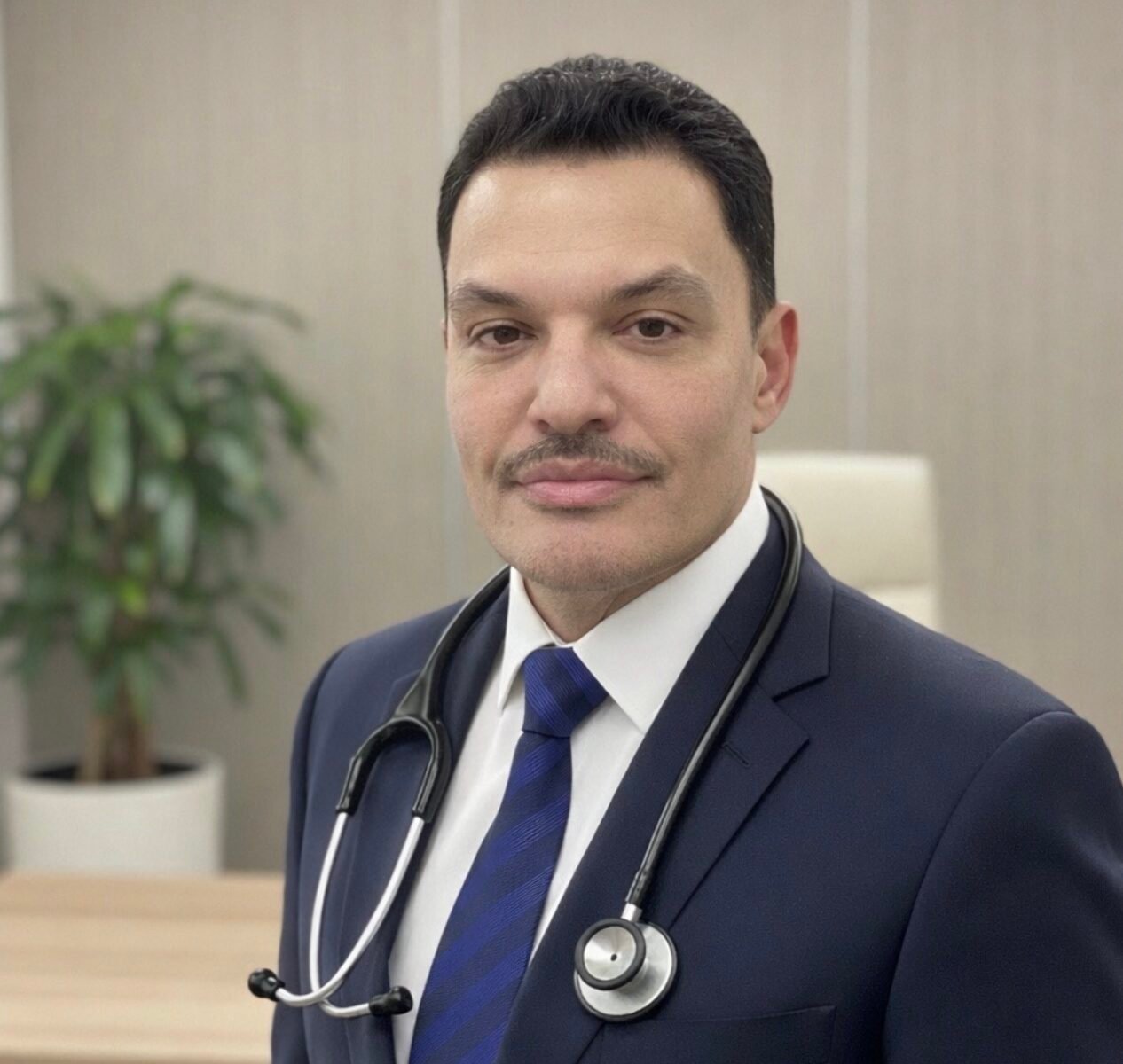
I’m Professor Dr. Antonio Privitera, a consultant colorectal surgeon with fellowship training at the Mayo Clinic and Royal College of Surgeons (UK), practicing across Dubai. In this article, I’ll give you insider perspective on what to look for (and what to avoid) when choosing a hemorrhoid specialist.
The stakes are higher than you might think:
- Wrong diagnosis = wrong treatment = continued symptoms
- Unnecessary expensive treatment = wasted money and recovery time
- Under-treatment = symptoms persist, problem worsens
- Complications from poor technique = prolonged recovery or additional problems
This guide covers:
- What qualifications actually matter
- Difference between general surgeon and colorectal surgeon
- Red flags that indicate overselling
- Questions to ask during consultation
- How to evaluate bedside manner and communication
- Dubai-specific considerations
To schedule assessment:
Experiencing symptoms like these? A discreet same-day specialist assessment is available across Dubai.
WhatsApp: +971 55 318 8469 | Phone: +971 55 318 8469
Medcare Discovery Gardens (Dubai)
The Qualification That Matters Most: Colorectal Surgery Fellowship
Why This Matters:
General Surgeon:
- Trained in broad range of surgeries (appendix, gallbladder, hernias, etc.)
- May have done SOME colorectal surgery in training
- Total colorectal training: maybe 3-6 months
- Competent for basic hemorrhoid treatment
Colorectal Surgeon (Proctologist):
- Completed general surgery training FIRST (5-7 years)
- THEN completed additional fellowship training in colorectal surgery (1-3 years)
- Total training: 6-10 years post-medical school
- Focused exclusively on colon, rectum, and anus
- Sees hemorrhoids DAILY
The difference:
- Colorectal surgeon has seen thousands of hemorrhoids
- Knows subtle differences between hemorrhoids and other conditions
- Skilled in full range of treatments (conservative, office procedures, minimally invasive, surgery)
- Better at identifying when something ISN’T hemorrhoids
How to Verify:
Look for:
- “Fellowship training in colorectal surgery”
- Specific institutions: Mayo Clinic, Cleveland Clinic, MD Anderson,
London hospitals, European training programs
- Don’t just take “proctologist” at face value—check actual fellowship training
Check:
- Hospital website biography
- Healthgr ade, Practo, or other physician directories
- Ask directly during consultation: “Where did you do your colorectal surgery fellowship?”
Board Certification: What It Means
Relevant Certifications:
European Board of Surgery Qualification (EBSQ-Coloproctology):
- European standard for colorectal surgery
- Requires fellowship training + examination + documented case experience
- High standard
Fellow of the Royal College of Surgeons (FRCS):
- UK/Commonwealth qualification
- FRCS (General Surgery) is baseline
- FRCS with specialist endorsement in colorectal is better
American Board of Colon and Rectal Surgery (ABCRS):
- US standard
- Requires completed fellowship + examination
- Recognized internationally
Local Medical Licensing:
- Dubai Health Authority (DHA) license
- Department of Health (DOH) license
- Shows they’ve met UAE medical requirements
What Board Certification Tells You:
- Completed training
- Passed examination
- Meets ongoing education requirements (recertification)
- Accountable to professional body
What it doesn’t tell you:
- Bedside manner
- Communication skills
- Whether they’re overselling
Red Flags: How to Spot Overselling
🚩 Red Flag #1: Pushes One Treatment for Everyone
What it looks like:
- Every patient gets laser regardless of grade
- Clinic only offers one procedure
- No mention of conservative treatment or alternatives
Why it’s a problem:
- Grade I hemorrhoids don’t need laser (banding is simpler)
- Grade IV hemorrhoids won’t respond to laser alone (need surgery)
- Treatment should match your anatomy, not their equipment
What good practice looks like:
- Offers multiple treatment options
- Explains which is appropriate for YOUR grade
- Recommends simplest effective option
🚩 Red Flag #2: Diagnoses Without Examination
What it looks like:
- “You have hemorrhoids” based on symptoms alone
- No visual inspection, no digital exam, no anoscopy
- Recommends treatment immediately without examining you
Why it’s a problem:
- Can’t diagnose internal hemorrhoids without anoscopy
- Other conditions (fissure, fistula, cancer) can mimic hemorrhoids
- Can’t determine grade without examination
What good practice looks like:
- Always performs examination
- Uses anoscopy to visualize internal hemorrhoids
- Explains findings before recommending treatment
🚩 Red Flag #3: Makes Unrealistic Promises
What it looks like:
- “100% painless, zero downtime”
- “Permanent cure guaranteed”
- “Latest technology from Europe—completely superior to all other methods”
Why it’s a problem:
- No hemorrhoid treatment is painless (some are less painful than others)
- No treatment has 100% success rate
- “Latest” doesn’t mean “best” for your specific case
What good practice looks like:
- Honest about recovery (“You’ll have discomfort for 3-7 days”)
- Discusses success rates and recurrence rates
- Explains pros and cons of each option
🚩 Red Flag #4: Unclear About Costs
What it looks like:
- Won’t give cost estimate
- Pushes treatment before discussing price
- “Don’t worry about cost, we’ll bill insurance” (without verifying coverage)
Why it’s a problem:
- You deserve to know costs upfront
- Insurance might not cover procedure (surprise bill later)
- Indicates lack of transparency
What good practice looks like:
- Provides cost estimate
- Verifies insurance coverage BEFORE procedure
- Discusses payment options
🚩 Red Flag #5: No Clear Follow-Up Plan
What it looks like:
- “Come back if you have problems”
- No scheduled follow-up appointment
- Unclear about what to do if complications occur
Why it’s a problem:
- Follow-up is essential to confirm healing
- Complications need early detection
- Indicates surgeon isn’t invested in long-term outcome
What good practice looks like:
- Schedules follow-up (usually 1-2 weeks post-procedure)
- Provides clear instructions on when to call
- Available for questions during recovery
Questions to Ask During Consultation
About Qualifications:
1. “Where did you complete your colorectal surgery fellowship?”
2. “How many hemorrhoid procedures do you perform monthly?”
3. “What’s your success rate for the treatment you’r recommending?”
About Diagnosis:
4. “What grade are my hemorrhoids?” (If they don’t tell you grade, they may not have examined properly)
5. “Do I have internal, external, or both?”
6. “Are you certain this is hemorrhoids and not something else?”
About Treatment:
7. “Why are you recommending this specific treatment for MY grade?”
8. “What other options exist for my situation?”
9. “What happens if this treatment doesn’t work?”
10. “What’s the recurrence rate for this treatment?”
About Recovery:
11. “How much time off work will I need realistically?”
12. “What will the first week of recovery actually feel like?”
13. “When can I return to exercise?”
About Cost:
14. “What is the total cost of this treatment?”
15. “Will my insurance cover this, and have you verified with them?”
16. “What if I need additional treatment later?”
About Follow-Up:
17. “When will I see you for follow-up?”
18. “What do I do if I have concerns or complications?”
19. “Are you available for questions during recovery period?”
If symptoms persist or are not improving, a specialist assessment in Dubai can help determine the most appropriate treatment.
Evaluating Bedside Manner and Communication
Good Signs:
Listens to Your Concerns:
- Doesn’t interrupt
- Asks about your symptoms, impact on life, goals
- Addresses your specific worries
Explains Clearly:
- Uses plain language (not excessive medical jargon)
- Checks if you understand
- Answers questions patiently
Involves You in Decision:
- Presents options
- Explains pros/cons of each
- Respects your preference
- Doesn’t pressure you
Honest About Limitations:
- Admits when something has risks or limitations
- Discusses what can go wrong
- Realistic about outcomes
Shows Respect:
- Treats you as intelligent adult
- Respects your time
- Respects your modesty and dignity
Warning Signs:
Dismissive:
- “Don’t worry about it, just trust me”
- Minimizes your concerns
- Rushes through consultation
Arrogant:
- “I’m the expert, I know best”
- Doesn’t listen to your input
- Makes you feel stupid for asking questions
Pushy:
- Pressures immediate decision
- Makes you feel like you’re being difficult if you want to think
about it
- Uses scare tactics (“If you don’t do this now, it will get much worse”)
Vague:
- Doesn’t give clear answers
- Avoids specifics about recovery or costs
- Brushes off your questions
Dubai-Specific Considerations
Insurance Navigation:
Good doctor’s office:
- Familiar with major UAE insurers (DHA Gold Card, Daman, Now Health, AXA, etc.)
- Can check coverage BEFORE procedure
- Provides pre-authorization support
- Transparent about what insurance will/won’t cover
Expat-Friendly Practice:
Important if you’re an expat:
- English fluency (essential for clear communication)
- Understanding of insurance landscape
- Flexible scheduling (evening/weekend appointments)
- Coordination with home country doctors if needed
The Importance of Multiple Treatment Options
Why This Matters:
A surgeon who offers ONLY:
- Banding → Will recommend banding for everyone (even Grade IV where it won’t work)
- Laser → Will push laser even for Grade I (unnecessary) or Grade IV (insufficient)
- Surgery → Will recommend surgery even for Grade I-II (overkill)
A surgeon who offers ALL options:
- Can match treatment to YOUR anatomy
- No financial incentive to push specific procedure
- Will recommend simplest effective option
The Options You Want Available:
Conservative management:
- Dietary counseling
- Lifestyle modifications
Office procedures:
- Rubber band ligation
- Sclerotherapy
- Infrared coagulation
Minimally invasive OR procedures:
- Laser hemorrhoidoplasty
- THD (Transanal Hemorrhoidal Dearterialization)
Surgery:
- Hemorrhoidectomy
If a doctor offers 5+ options, they’re choosing based on science, not equipment.
Second Opinions: When and How
You Should Get a Second Opinion If:
- Treatment recommendation seems extreme for symptoms (e.g., surgery recommended for mild symptoms)
- You feel pressured or uncertain
- Cost is very high and you want to verify necessity
- Doctor diagnosed without examination
- You don’t feel comfortable with first doctor
How to Get Second Opinion:
Be honest:
- Tell second doctor you’re seeking second opinion
- Bring records from first consultation if available
- Good doctors respect this (it’s your health)
What to compare:
- Do both doctors give similar diagnosis (grade)?
- Do they recommend similar treatment approach?
- Do they explain pros/cons similarly?
Red flag if:
- First doctor gets defensive when you mention second opinion
- Wide discrepancy in diagnosis (one says Grade II, other says Grade
- Treatment recommendations are completely different without good explanation
This article is written and reviewed by Prof. Dr Antonio Privitera, consultant colorectal surgeon with fellowship training at Mayo Clinic (USA) and the Royal College of Surgeons (UK), specializing in hemorrhoid diagnosis and minimally invasive treatment.
Frequently Asked Questions
1. Do I need a colorectal surgeon or can a general surgeon treat hemorrhoids?
General surgeons can treat basic hemorrhoids. For Grade III-IV, complex cases, or if you want full range of options, colorectal surgeon is better.
2. What’s the difference between proctologist and colorectal surgeon?
Same thing. “Proctologist” is older term, “colorectal surgeon” is current terminology. Both refer to surgeons specializing in colon, rectum, anus.
3. Should I see a male or female doctor?
Personal preference. Both are equally qualified. Dubai has excellent female colorectal surgeons if you prefer.
4. How do I know if a doctor is overselling?
Red flags: only offers one treatment, diagnoses without examination, makes unrealistic promises, pushes treatment before discussing alternatives.
5. Is it okay to ask about a doctor’s success rates?
Yes! Good doctors will discuss this honestly. If they’re defensive or evasive, that’s concerning.
6. Should I choose a doctor based on hospital reputation?
Partly. Hospital affiliation matters (shows credentialing) but individual surgeon’s training and experience matter more.
7. Can I trust online reviews?
Use cautiously. Look for patterns (multiple similar complaints = concerning). But individual reviews can be misleading (positive or negative).
8. What if I don’t like my doctor after one visit?
You’re allowed to switch. Your comfort and trust matter. Healthcare is a partnership.
9. How important is location/convenience?
Moderately important for follow-up visits. But don’t choose a less qualified doctor just because they’re closer.
10. Should cost be a factor in choosing a doctor?
Cost matters, but cheapest isn’t always best. Verify what’s included. Sometimes “cheaper” excludes follow-up or uses inferior technique.
The Bottom Line: What Makes a Good Hemorrhoid Doctor
Essential qualities:
1. Proper training: Colorectal surgery fellowship
2. Experience: Performs hemorrhoid procedures regularly
3. Multiple options: Offers full range of treatments
4. Honesty: Realistic about outcomes, recovery, costs
5. Examination: Always examines before recommending treatment
6. Communication: Explains clearly, answers questions patiently
7. Respect: Treats you as intelligent partner in decision-making
Trust your instincts:
- If something feels off, it probably is
- You should feel comfortable asking questions
- You should feel heard and respected
- If you don’t, find someone else
Remember: This is YOUR health. You deserve a qualified, honest, communicative doctor.
References and Medical Sources
1. Colorectal Surgery Training Standards – Fellowship requirements.
American Board of Colon and Rectal Surgery. ABCRS Standards
2. Patient Selection for Hemorrhoid Procedures – Evidence-based decision-making. Davis BR, Lee-Kong SA, Migaly J, Feingold DL, Steele SR. The American Society of Colon and Rectal Surgeons Clinical Practice Guidelines for the Management of Hemorrhoids. Dis Colon Rectum. 2018;61(3):284-292. PubMed
Medical Review: This content was written and reviewed by Professor training at the Mayo Clinic and Royal College of Surgeons (UK), and European Board Certification in Colorectal Surgery.
Schedule Assessment with Qualified Colorectal Surgeon
Fellowship-trained, board-certified, offers full range of treatment options.
Experiencing symptoms like these? A discreet same-day specialist assessment is available across Dubai.
WhatsApp: +971 55 318 8469 | Phone: +971 55 318 8469
Medcare Discovery Gardens (Dubai)
Dubai Location
Multiple convenient locations
About the Author