
Diet is one of the most important factors in managing hemorrhoids in Dubai. Increasing fiber and hydration can reduce straining, improve symptoms, and help prevent recurrence. Dietary changes work best alongside appropriate treatment, our hemorrhoid treatment in Dubai explains all options.
This is one of the most common questions I hear—and one of the most important. The right diet can prevent hemorrhoids from developing, reduce symptoms if you already have them, and help prevent recurrence after treatment.
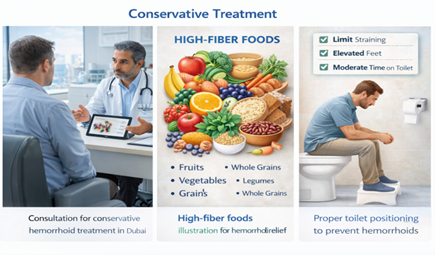
I’m Professor Dr. Antonio Privitera, a consultant colorectal surgeon with fellowship training at the Mayo Clinic and Royal College of Surgeons (UK), practicing across Dubai. I work with patients on dietary strategies as part of comprehensive hemorrhoid management.
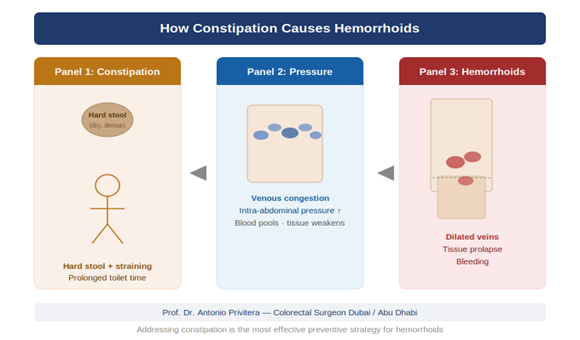
The core principle is simple: High-fiber diet + adequate hydration = soft, easy-to-pass stools = less straining = fewer hemorrhoids.
But implementation in Dubai has some specific considerations:
- What high-fiber foods are readily available here?
- How to navigate eating out frequently (common in Dubai lifestyle)?
- Cultural food preferences and hemorrhoid-friendly options
- Practical meal planning for busy professionals
This guide covers:
- Why fiber matters (the science)
- Best foods for hemorrhoid prevention and management
- Foods to limit or avoid
- Sample meal plans adapted for Dubai
- How to increase fiber gradually
- Supplements vs whole foods
- Special dietary considerations
For comprehensive hemorrhoid treatment
Why Fiber Matters: The Science
How Fiber Prevents Hemorrhoids:
Soluble fiber (dissolves in water):
- Forms gel-like substance in intestines
- Softens stool
- Makes stool easier to pass
- Sources: Oats, beans, lentils, apples, citrus fruits
Insoluble fiber (doesn’t dissolve):
- Adds bulk to stool
- Speeds transit through intestines
- Promotes regular bowel movements
- Sources: Whole wheat, vegetables, nuts, seeds
Both types are important:
- Work together to create ideal stool consistency
- Soft enough to pass easily
- Bulky enough to stimulate bowel movement
- Result: No straining = no hemorrhoid formation
The Evidence:
Studies show:
- High-fiber diet reduces hemorrhoid symptoms in 50-80% of patients
- Reduces bleeding frequency
- Improves bowel regularity
- Decreases need for invasive treatments
Target: 25-35g fiber daily
- Men: 30-38g
- Women: 21-25g (25-35g if pregnant or breastfeeding)
Average Dubai resident consumes: 10-15g daily (well below target)
Best Foods for Hemorrhoids: What to Eat More Of
FRUITS (High Fiber)
Excellent choices available in Dubai:
Dates (المواعيد / التمر):
- 3 dates = 3.5g fiber
- Naturally sweet, satisfying
- Traditional Middle Eastern food
- Tip: Have 3-4 dates as snack
Figs (Fresh or Dried):
- 2 small figs = 3g fiber
- Natural laxative effect
- Available in Carrefour, Spinney’s, Union Coop
Prunes (Dried Plums):
- 5 prunes = 3g fiber + sorbitol (natural laxative)
- Very effective for constipation
- Available in most supermarkets
Berries:
- Strawberries, blueberries, raspberries: 3-8g per cup
- Fresh or frozen both work
- Available year-round in UAE
Apples:
- 1 medium apple with skin = 4.5g fiber
- Eat the skin (most fiber is there)
Pears:
- 1 medium pear with skin = 5.5g fiber
- Excellent fiber source
Oranges, Tangerines:
- 1 orange = 3g fiber
- Also provides vitamin C
VEGETABLES
Best options in Dubai:
Leafy Greens:
- Spinach, rocket (arugula), kale
- 1 cup cooked = 4-5g fiber
- Easy to add to meals
Broccoli:
- 1 cup cooked = 5g fiber
- Available fresh or frozen
Carrots:
- 1 cup raw = 3.5g fiber
- Great as snack with hummus
Sweet Potato:
- 1 medium = 4g fiber
- Available in Carrefour, Lulu
Cauliflower:
- 1 cup = 3g fiber
- Can be riced as low-carb option
Peas:
- 1 cup = 9g fiber
- Fresh or frozen
Bell Peppers:
- All colors, 1 cup = 3g fiber
- Common in UAE markets
WHOLE GRAINS
Available in Dubai supermarkets:
Oats:
- 1 cup cooked oatmeal = 4g fiber
- Breakfast staple—very effective
- Instant oats okay, but steel-cut or rolled oats better
Quinoa:
- 1 cup cooked = 5g fiber
- Available in most supermarkets
- Good rice substitute
Brown Rice:
- 1 cup cooked = 3.5g fiber
- Available everywhere
- Substitute for white rice
Whole Wheat Bread:
- Check label: aim for 3-5g fiber per slice
- Many options in UAE: Monjam, Modern Bakery whole wheat varieties
Whole Wheat Pasta:
- Available in Carrefour, Spinneys
- Double the fiber of white pasta
Barley:
- 1 cup cooked = 6g fiber
- Can add to soups
LEGUMES (Highest Fiber Foods)
Common in Middle Eastern cuisine:
Lentils (عدس):
- 1 cup cooked = 15g fiber
- Red, green, or brown lentils
- Used in soups, stews, salads
- One of the best hemorrhoid-prevention foods
Chickpeas (حمص):
- 1 cup cooked = 12g fiber
- Hummus is chickpea-based
- Used in falafel, salads, stews
Black Beans, Kidney Beans:
- 1 cup cooked = 12-15g fiber
- Available canned or dried
Split Peas:
- 1 cup cooked = 16g fiber
- Good in soups
Fava Beans (فول):
- Traditional foul medames
- 1 cup = 9g fiber
NUTS AND SEEDS
Readily available in UAE:
Almonds:
- 23 almonds = 3.5g fiber
- Great snack
Flaxseeds:
- 2 tablespoons ground = 4g fiber
- Add to oatmeal, smoothies, yogurt
- Must be ground to absorb fiber
Chia Seeds:
- 2 tablespoons = 10g fiber
- Add to water, yogurt, smoothies
Walnuts, Pistachios:
- Moderate fiber, healthy fats
If symptoms persist or are not improving, a specialist assessment in Dubai can help determine the most appropriate treatment.
Sample Meal Plans for Dubai
Meal Plan 1: Busy Professional
Breakfast:
- Oatmeal (steel-cut or rolled oats) with berries, 1 tbsp flaxseed, 3 dates
- Fiber: ~12g
Mid-Morning Snack:
- Apple with 15 almonds
- Fiber: ~6g
Lunch (Eating Out):
- Chicken/fish with quinoa salad, hummus, vegetables
- Fiber: ~10g
Afternoon Snack:
- Carrot sticks with hummus
- Fiber: ~5g
Dinner:
- Grilled protein (chicken, fish, lamb)
- Large mixed salad
- Brown rice or sweet potato
- Steamed broccoli
- Fiber: ~12g
Total: ~45g fiber
Meal Plan 2: Traditional Middle Eastern Diet
Breakfast:
- Foul medames (fava beans) with whole wheat bread
- Fresh tomatoes, cucumbers
- Dates
- Fiber: ~15g
Lunch:
- Lentil soup
- Whole wheat pita
- Tabbouleh salad
- Fiber: ~20g
Dinner:
- Grilled meat or fish
- Rice with lentils (mujaddara)
- Fattoush salad
- Fiber: ~12g
Snacks:
- Fresh fruit, nuts, dates
- Fiber: ~5g
Total: ~52g fiber
Meal Plan 3: Family-Friendly
Breakfast:
- Whole grain cereal with milk and banana
- Fiber: ~10g
Lunch:
- Whole wheat sandwich (turkey, chicken, tuna)
- Side salad or carrot sticks
- Apple or orange
- Fiber: ~12g
Dinner:
- Whole wheat pasta with vegetable tomato sauce
- Side salad
- Garlic bread (whole wheat)
- Fiber: ~15g
Snacks:
- Yogurt with berries and chia seeds
- Trail mix (nuts, dried fruit)
- Fiber: ~8g
Total: ~45g fiber
Foods to LIMIT or AVOID
Foods That Contribute to Constipation:
1. Low-Fiber Processed Foods:
- White bread, white rice, white pasta
- Pastries, donuts, croissants
- Chips, crackers (unless whole grain)
- Not forbidden, but limit
2. Excess Red Meat:
- No fiber at all
- Slows digestion if eaten in large quantities
- Recommendation: Moderate portions (150-200g), not daily
3. Cheese:
- No fiber, can be constipating
- Recommendation: Small amounts okay, not large portions
4. Fried/Fast Foods:
- Low fiber, high fat slows digestion
- Recommendation: Occasional only
5. Excess Caffeine:
- Dehydrating
- Coffee, tea, energy drinks in excess
- Recommendation: For every cup of coffee, drink a glass of water
6. Alcohol:
- Dehydrating
- Can worsen hemorrhoid symptoms
- Recommendation: Moderate consumption, ensure adequate water intake
Foods That Can Irritate Hemorrhoids:
If you currently have symptomatic hemorrhoids, some people find these
worsen symptoms:
- Very spicy foods (not everyone, individual variation)
- Excessive alcohol
- Excessive caffeine
Note: These don’t cause hemorrhoids, but may worsen symptoms in
some people.
Practical Tips for Dubai Lifestyle
Eating Out in Dubai:
At Restaurants:
Choose:
- Salads (ask for dressing on side)
- Grilled proteins
- Whole grain options (brown rice, quinoa, whole wheat)
- Vegetable sides (ask for steamed or grilled, not fried)
- Lentil soup, vegetable soup
- Hummus, baba ganoush
Avoid/Limit:
- White rice, white bread
- Fried items
- Heavy cream sauces
- Excessive portions
Popular Dubai Restaurants:
- Zaatar w Zeit: Whole wheat manakeesh, salads
- Al Mallah: Falafel, hummus (add salad)
- Reem Al Bawadi: Grilled meats with salad and hummus
- Shakespeare & Co, Baker & Spice: Whole grain bread options,
salads
Supermarkets in Dubai:
Where to find high-fiber foods:
- Carrefour: Excellent selection whole grains, beans, lentils,
nuts, seeds
- Spinneys: High-quality produce, whole grain options
- Waitrose: Premium options, organic section
- Lulu Hypermarket: Affordable bulk legumes, grains
- Union Coop: Local chain, good for basics
- West Zone, Organic Foods & Café: Organic, health-focused options
Brands to look for:
- Whole wheat bread: Monjam, Modern Bakery, Al Ain Farms
- Oats: Quaker, Bob’s Red Mill
- Legumes: Any brand, dried or canned both fine
- Quinoa: Royal Quinoa, Ancient Harvest
Fiber Supplements vs Whole Foods
When Supplements Help:
Fiber supplements are useful if:
- You can’t meet 25-35g from food alone
- You’re traveling
- You need temporary boost during hemorrhoid flare-up
- You have specific dietary restrictions
Types of fiber supplements:
Psyllium (Metamucil, Fybogel):
- Most common
- Soluble fiber
- Effective for hemorrhoid prevention
- Dose: Start with 1 tsp daily, increase to 1-2 tbsp daily
- Important: Drink full glass of water with each dose
Methylcellulose (Citrucel):
- Soluble fiber
- Less gas than psyllium for some people
Wheat dextrin (Benefiber):
- Tasteless, can add to beverages
- Soluble fiber
Whole Foods vs Supplements:
Whole foods are better because:
- Provide other nutrients (vitamins, minerals, antioxidants)
- More satisfying (actual food vs powder)
- Cost less
- Better for overall health
Supplements are useful as:
- Addition to diet, not replacement
- Temporary boost when needed
- Convenience when traveling
Recommendation: Aim for 20-30g from food, supplement remaining 5-10g if needed.
How to Increase Fiber Gradually
The Problem with Rapid Increase:
Going from 10g fiber daily to 35g overnight causes:
- Bloating
- Gas
- Abdominal cramps
- Diarrhea
This is temporary, but uncomfortable—many people quit because of this.
The Solution: Gradual Increase
Week 1:
- Add one high-fiber food per day
- Example: Oatmeal for breakfast
- Target: 15-20g daily
Week 2:
- Add second high-fiber food
- Example: Apple for snack + lentil soup for lunch
- Target: 20-25g daily
Week 3:
- Add third high-fiber element
- Example: Switch white rice to brown rice at dinner
- Target: 25-30g daily
Week 4:
- Fine-tune to reach 30-35g
- Add more fruits, vegetables, whole grains as needed
Drink more water as you increase fiber:
- Fiber without water can actually worsen constipation
- For every 5g fiber increase, add 200-300ml water
Hydration: The Other Critical Factor
Fiber alone isn’t enough—you need adequate water.
Why Hydration Matters:
- Fiber absorbs water to soften stool
- Without water, high-fiber diet can worsen constipation
- Dehydration makes stools hard regardless of fiber intake
Dubai-Specific Considerations:
Challenges:
- Hot climate (even with AC, you lose fluids)
- Coffee culture (dehydrating)
- Busy lifestyle (forget to drink)
Solution:
- Target: 2.5-3 liters water daily minimum
- More if exercising or in summer heat
- For every coffee, drink equal amount water
This article is written and reviewed by Prof. Dr Antonio Privitera, consultant colorectal surgeon with fellowship training at Mayo Clinic (USA) and the Royal College of Surgeons (UK), specializing in hemorrhoid diagnosis and minimally invasive treatment.
Frequently Asked Questions
1. Can I eat too much fiber?
Excessive fiber (>50g daily) can cause bloating, gas, and can interfere with mineral absorption. Stick to 25-35g range.
2. Does fiber cause gas?
Initially yes, especially if increased too quickly. Gradual increase minimizes this. Gas typically decreases as body adjusts.
3. What if I’m already constipated—will fiber make it worse?
If severely constipated with hard stool, you may need stool softener first. Then increase fiber gradually. Drink lots of water.
4. Can I get enough fiber on keto/low-carb diet?
Difficult but possible. Focus on vegetables, nuts, seeds, avocados. May need fiber supplement.
5. Are white rice and bread really that bad?
Not “bad,” but low in fiber. Substituting with brown rice and whole wheat significantly increases daily fiber intake.
6. Is juicing fruits and vegetables okay?
Juicing removes fiber (it’s left in the pulp). Eat whole fruits and vegetables instead, or include the pulp in smoothies.
7. Can fiber help if I already have hemorrhoids?
Yes. Fiber softens stool, reduces straining, decreases hemorrhoid symptoms, prevents worsening. It’s foundational treatment.
8. How long until I see improvement from dietary changes?
Usually 1-2 weeks if you’re making significant fiber increase and staying hydrated. Symptoms gradually improve.
9. Do I need to count fiber grams every day?
No. Once you have sense of high-fiber foods and portions, eating those regularly gets you to target without precise counting.
10. Can children eat high-fiber diet for hemorrhoid prevention?
Yes, appropriate fiber for children: Age + 5g daily (e.g., 10-year-old = 15g). Same principles: fruits, vegetables, whole grains.
References and Medical Sources
Dietary fiber recommendations based on evidence:
1. Fiber for Hemorrhoid Treatment – Meta-analysis. Alonso-Coello P, Mills E, Heels-Ansdell D, et al. Fiber for the treatment of hemorrhoids complications: a systematic review and meta-analysis. Am J Gastroenterol. 2006;101(1):181-8. PubMed
2. Dietary Fiber and Gastrointestinal Health – Review. Anderson JW, Baird P, Davis RH Jr, et al. Health benefits of dietary fiber. Nutr Rev. 2009;67(4):188-205. PubMed
3. American Society of Colon and Rectal Surgeons Guidelines – Dietary recommendations. Davis BR, Lee-Kong SA, Migaly J, Feingold DL, Steele SR. The American Society of Colon and Rectal Surgeons Clinical Practice Guidelines for the Management of Hemorrhoids. Dis Colon Rectum. 2018;61(3):284-292. PubMed
Medical Review: This content was written and reviewed by Professor training at the Mayo Clinic and Royal College of Surgeons (UK), and European Board Certification in Colorectal Surgery.
Need expert treatment for hemorrhoids, anal fissure, or anal fistula? Book a consultation with Dr. Antonio Privitera in Abu Dhabi.
Book Your Appointment
WhatsApp / Phone: +971 55 318 8469
About the Author