
About Hernias: Meaning & Definition
Hernia meaning: The word ‘Hernia” comes from the Latin: hernia “rupture”, related to hira “intestine’. Interestingly enough, the word is often misspelt, and “hernis” seems to be a very common search word on the web.
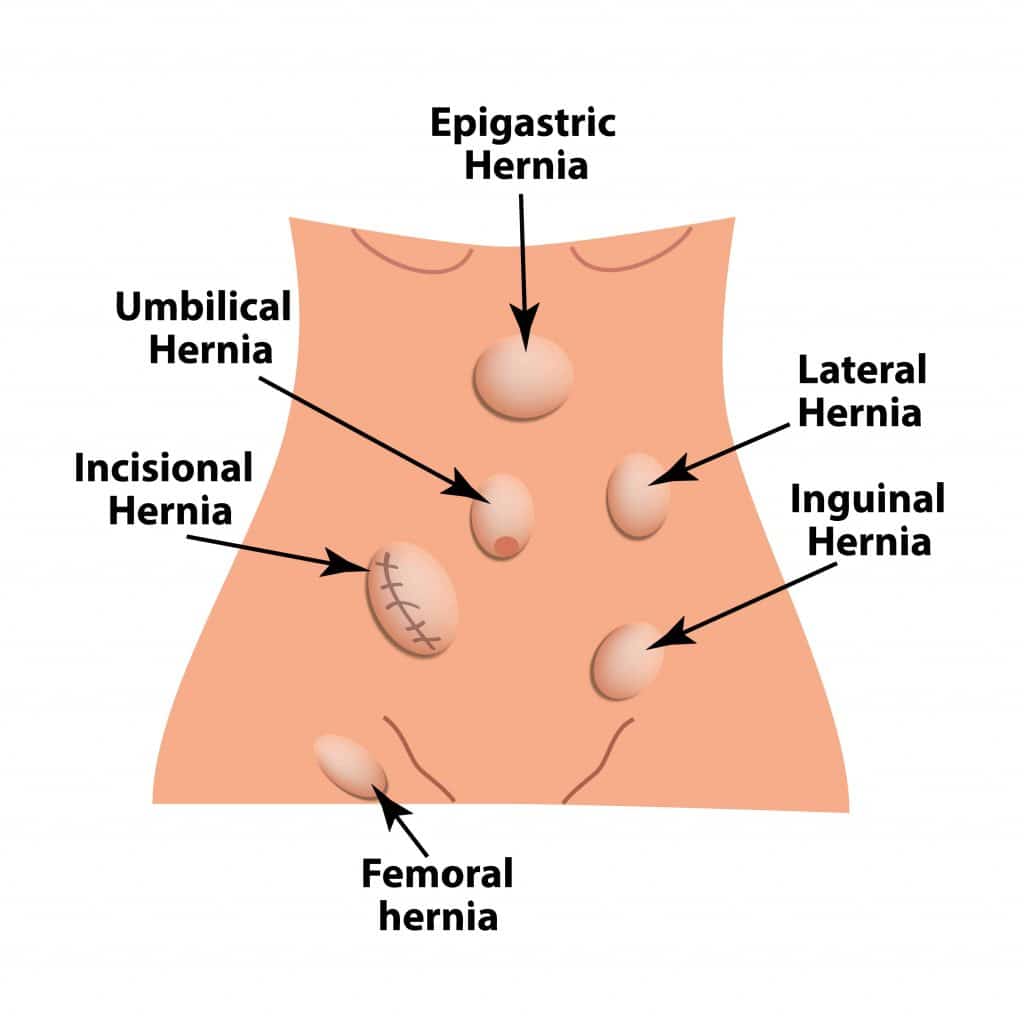
Hernia definition: A hernia is the protrusion of a viscus through the wall of the cavity that contains it. Most common hernias are abdominal wall hernias: inguinal, femoral, umbilical, paraumbilical, epigastric, spigelian, lumbar, obturator and incisional hernias.
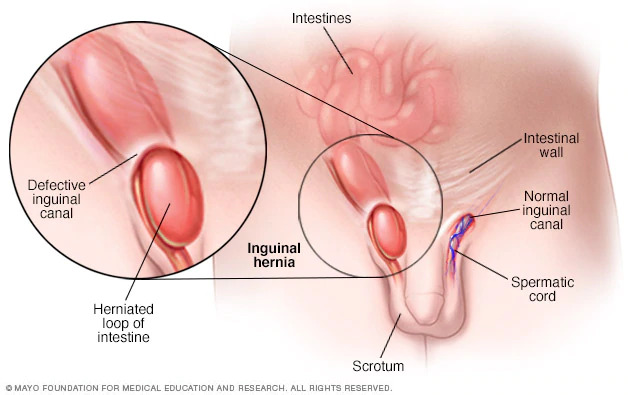
What Is An Inguinal Hernia?
An inguinal hernia is defect in the posterior wall of the inguinal canal (transversalis fascia) that allows passage of fat or intra-abdominal content through it. Hernias that are lateral to the inferior epigastric vessels and enter the deep inguinal ring are called indirect, while direct hernias are between the epigastric vessels and the umbilical folds. While indirect hernias usually consist of intra-abdominal content (omentum, bowel), direct hernia usually are composed of pre-peritoneal fat.
Inguinal hernias are superior and medial to the pubic tubercle, while femoral hernias are inferior and lateral.
The inguinal canal in males contains the spermatic cord, while in females the round ligament is present.
Attention needs to me paid during an inguinal hernia repair to the spermatic cord structures not to cause damage to the testicle.
What Are The Causes of Hernia?
A general structural tissue abnormality leading to weakness has been shown in people with hernias. However, contributing factors are chronic increases of abdominal pressure (heavy lifting, chronic cough, constipation with straining, etc.
What are the hernia symptoms?
Pain and discomfort and the presence of a swelling more obvious with increase of abdominal pressure (coughing, sneezing, straining) are the most common symptoms. The discomfort usually worsens during the day and subsides when resting or lying down. A swelling that becomes hard and unable to be pushed back in or increasing pain radiating to other parts of the abdomen are worrisome signs of incarceration or strangulation that require emergency treatment.
How are Hernias Diagnosed?
How are Hernias Repaired?
FAQs About Hernia
A hernia occurs when an organ or tissue pushes through a weak spot in the surrounding muscle or connective tissue wall.
Common types include inguinal, umbilical, incisional, hiatal, and femoral hernias each requiring different management.
Common signs include a visible bulge, discomfort when bending or lifting, and a feeling of heaviness in the affected area.
Yes. Untreated hernias can lead to incarceration or strangulation, which are surgical emergencies requiring immediate treatment.
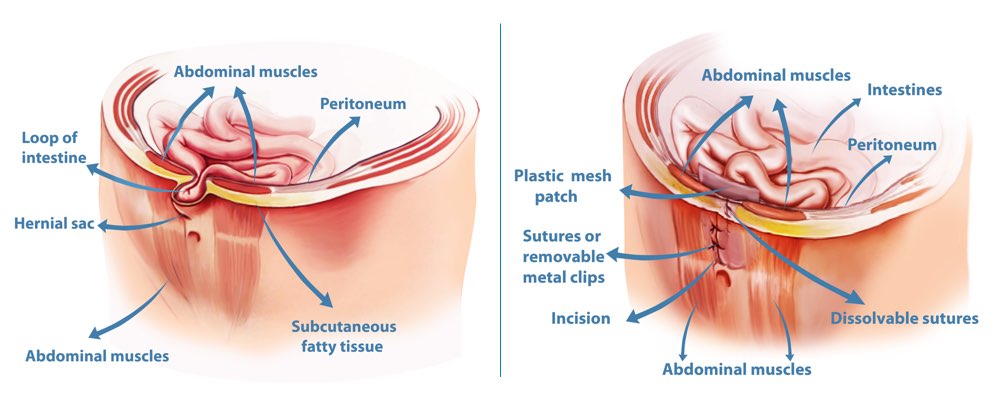
Surgery is the only definitive treatment. Dr. Antonio offers both laparoscopic and open repair techniques tailored to each patient.
Free Consultation for Hernias
A proctology service in Dubai and Abu Dhabi not only for Hernia Treatments, but also for many other diseases is currently operating in Dubai London Hospital, Aster Hospital, American Hospital. Currently, Dr. Antonio Privitera is offering a free consultation for hernias in the same hospital in Dubai and Abu Dhabi.